
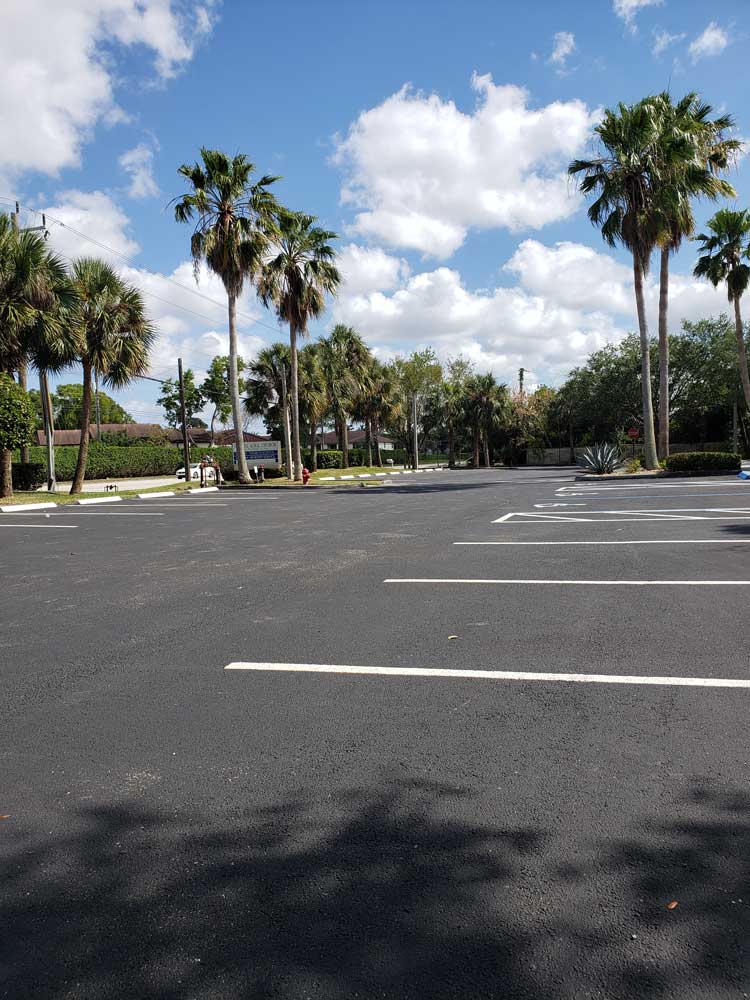
South Florida parking lots deal with intense sun, heavy rain, high temperatures, and year-round traffic that can make pavement and markings deteriorate faster than property managers expect. For commercial properties in West Palm Beach, knowing whether a lot needs fresh striping or more substantial resurfacing can help prevent wasted maintenance and address pavement problems at the right level.
Quick answer: Restripe your commercial parking lot when the asphalt is still structurally serviceable but parking lines, arrows, fire lanes, or other markings have faded. Consider resurfacing when the pavement itself has widespread cracking, deterioration, rough areas, or other surface problems that restriping alone cannot correct. A pavement inspection can help determine which approach fits the lot’s actual condition.
What local property owners should know
-
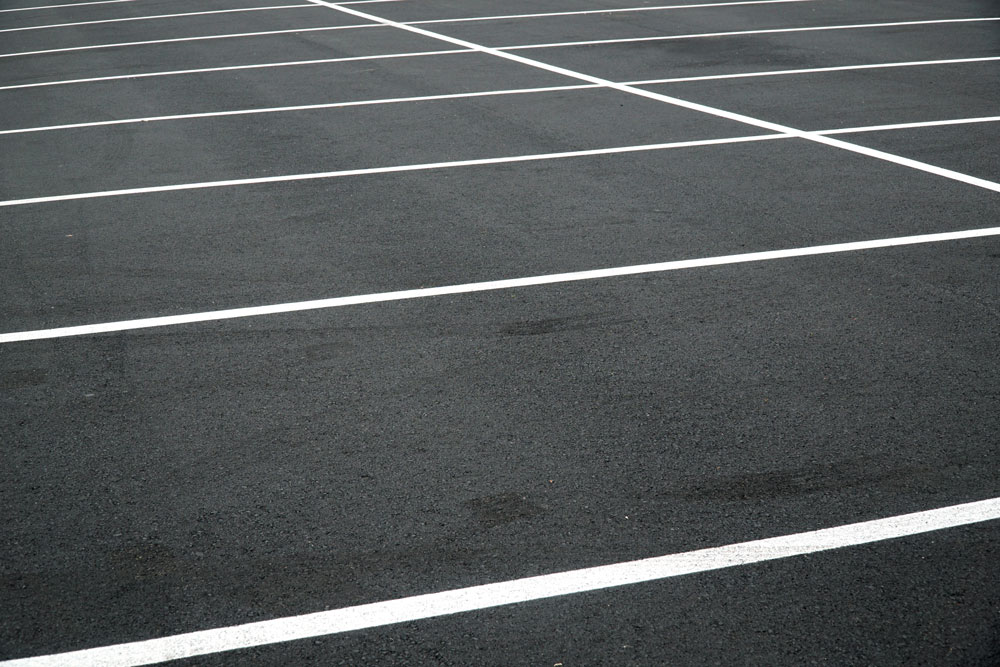
Restriping renews pavement markings, but it does not repair deteriorated asphalt underneath them.
-
South Florida sun and frequent rain can affect both asphalt surfaces and painted markings over time.
-
Busy commercial corridors around West Palm Beach can put parking areas through frequent vehicle traffic, turning movements, deliveries, and repeated loading.
-
Widespread pavement deterioration may point toward resurfacing or other asphalt repairs rather than another round of striping.
-
Drainage problems should be evaluated before cosmetic improvements because standing water can contribute to pavement deterioration.
Why Does This Decision Matter for West Palm Beach Parking Lots?
Choosing between resurfacing and restriping matters because the two services solve different parking lot problems, and selecting the wrong one can mean spending money without addressing the underlying condition. Restriping deals primarily with visibility and organization, while resurfacing addresses a deteriorated asphalt surface.
That distinction is especially relevant around West Palm Beach and Palm Beach County. Commercial lots face strong ultraviolet exposure, high pavement temperatures, frequent rain, and periods of intense storms. Properties near Downtown West Palm Beach, Okeechobee Boulevard, I-95, and Palm Beach International Airport may also experience significant daily traffic.
All American Asphalt LLC helps commercial property owners evaluate asphalt and parking lot needs in the area. We focus on identifying whether the problem is primarily worn markings, localized pavement damage, or broader surface deterioration before determining an appropriate service.
What Do We Look for When Evaluating a South Florida Parking Lot?
A useful parking lot evaluation looks at both the condition of the asphalt and the visibility and layout of the pavement markings. In South Florida, we also pay close attention to drainage, cracking patterns, worn traffic areas, and locations where vehicles repeatedly turn, stop, park, or make deliveries.
These are practical field observations rather than a claim that every parking lot deteriorates at the same rate. A lightly used office lot may age differently from a busy retail center, restaurant property, medical facility, warehouse, or multifamily parking area.
Local conditions matter too. Strong sunshine can affect exposed asphalt and markings, while frequent rainfall can reveal low areas and drainage weaknesses that may not be obvious during dry weather.
How Does Worn Pavement Affect Local Commercial Properties?
Worn pavement can affect appearance, traffic organization, accessibility, drainage, and the overall experience of customers, tenants, employees, and delivery drivers. A commercial parking lot is often one of the first parts of a property visitors encounter.
Faded markings can make parking stalls and directional markings harder to follow. Deteriorated asphalt can create rough driving surfaces and make a freshly striped lot look unfinished.
For properties serving customers from West Palm Beach, Palm Beach Gardens, Riviera Beach, Lake Worth Beach, and Wellington, maintaining the pavement can also support a cleaner, more organized exterior.
What Are the Warning Signs You Need Resurfacing or Restriping?
The clearest warning signs are faded markings when the pavement remains serviceable, or widespread asphalt deterioration when the surface itself is failing. Property managers should evaluate the entire lot rather than deciding based on paint condition alone.
Watch for:
-
Parking stall lines that have become difficult to see.
-
Directional arrows or other traffic markings that are noticeably faded.
-
Asphalt with widespread cracking across large sections of the lot.
-
Rough or deteriorated pavement that would remain visible after new striping.
-
Depressions or low areas where water repeatedly collects.
-
Repaired sections that are becoming extensive across the property.
-
High-traffic lanes showing substantially more wear than surrounding parking spaces.
-
Areas where pavement deterioration is interfering with a clear, orderly parking layout.
When Should You Call a Commercial Asphalt Professional?
Call a commercial asphalt professional when you cannot tell whether the visible problem is limited to markings or reflects broader pavement deterioration. A professional evaluation is particularly useful when cracking, drainage concerns, depressions, or widespread surface wear accompany faded striping.
Property managers can safely walk the lot and document faded markings, cracks, standing-water areas, and rough pavement. Photos taken after a heavy South Florida rain can also help identify recurring drainage concerns.
Determining the appropriate repair scope, however, should go beyond appearance alone. Restriping asphalt that first needs significant repair can result in a better-looking lot without resolving the pavement problem beneath the markings.
What Commonly Causes Parking Lot Wear in South Florida?
South Florida parking lot wear commonly reflects a combination of sun exposure, heat, rainfall, vehicle traffic, drainage conditions, and the existing age and condition of the pavement. The importance of each factor varies by property.
-
Sun and heat: Exposed commercial pavement receives substantial sunlight, contributing to gradual surface aging.
-
Heavy rainfall: Water can expose drainage problems and collect in low areas.
-
Traffic: Repeated vehicle movements can concentrate wear at entrances, exits, drive lanes, and turning points.
-
Heavy vehicles: Delivery and service areas may experience different stresses than ordinary passenger-car spaces.
-
Existing deterioration: Cracks and damaged areas generally require more attention than simply applying new pavement markings.
Properties throughout coastal Palm Beach County face many of these conditions without the long winter shutdown that commercial lots experience in colder climates.
How Can You Maintain a Commercial Parking Lot Between Major Services?
Regular inspections, prompt attention to developing pavement problems, good drainage, and timely renewal of markings can help commercial property owners manage their lots more effectively. In West Palm Beach, inspections are especially useful before and after periods of heavy seasonal rainfall.
Walk the property periodically and note changes in cracks, worn areas, pavement markings, and locations where water collects. Keep drains and drainage paths free of obvious debris where property maintenance responsibilities allow.
Do not assume that fresh paint is the answer to every aging lot. If the asphalt has substantial deterioration, have the pavement evaluated before scheduling restriping.
What Results Should You Expect From Restriping vs. Resurfacing?
Restriping should improve the visibility and organization of an otherwise serviceable lot, while resurfacing should address broader surface deterioration and create a more suitable pavement surface for new markings. Neither service should be treated as a cure for every parking lot problem.
A restriped lot can provide clearer parking stalls and traffic guidance. A properly selected resurfacing project can address more extensive surface wear before the lot receives its finished markings.
Actual results and service recommendations depend on existing pavement condition, drainage, traffic patterns, and the scope of work required.
What Mistakes Should Commercial Property Owners Avoid?
The biggest mistake is treating every worn parking lot as a striping problem when the asphalt itself may need repair or resurfacing. A better approach is to match the service to the condition of the pavement.
Mistake: Restriping badly deteriorated asphalt.
Consequence: The markings look newer, but cracking and rough pavement remain.
Better approach: Evaluate the asphalt first and complete appropriate pavement work before final striping.
Mistake: Resurfacing solely because markings look faded.
Consequence: The project may be larger than necessary if the underlying asphalt remains serviceable.
Better approach: Determine whether restriping can address the actual problem.
Mistake: Ignoring standing water.
Consequence: The underlying drainage concern remains after cosmetic improvements.
Better approach: Identify recurring low spots and drainage concerns as part of the pavement evaluation.
Mistake: Waiting until markings are extremely difficult to follow.
Consequence: Parking organization can become less clear for drivers.
Better approach: Include striping condition in routine property inspections.
What Is a Common Commercial Parking Lot Scenario in West Palm Beach?
A common local scenario is a commercial lot with faded parking lines, several cracked areas, and heavier wear near entrances and drive lanes. At first glance, the property manager may assume the entire lot simply needs new paint.
A closer evaluation can change the scope. If most asphalt remains serviceable and deterioration is limited, repairs followed by restriping may be appropriate. If deterioration is widespread across the pavement surface, resurfacing may deserve consideration before new markings are installed.
This is a common scenario, not a description of a specific All American Asphalt LLC project.
Which Asphalt Services Can Address These Problems?
Commercial asphalt repair, resurfacing, and parking lot striping address different parts of an aging parking area and may be used individually or as part of a coordinated project. The appropriate combination depends on what an inspection finds.
We can help property owners determine whether attention should focus on pavement repairs, a broader resurfacing project, fresh markings, or a combination of services.
How Do Resurfacing and Restriping Compare?
Resurfacing addresses the pavement surface itself, while restriping renews the markings placed on a serviceable asphalt surface. For many Palm Beach County properties, the condition of the asphalt should determine which service comes first.
| Option | Best Fit | What It Addresses |
|---|---|---|
| Restriping | Asphalt remains serviceable but markings are faded | Parking stalls, arrows, traffic markings, and layout visibility |
| Localized repair plus restriping | Damage is limited to particular areas | Specific pavement problems followed by refreshed markings |
| Resurfacing plus striping | Surface deterioration is widespread | Broader asphalt surface condition followed by new markings |
The goal is not to choose the biggest project. It is to choose a scope that addresses the actual condition of the parking lot.
Where Do We Help Commercial Property Owners?
We serve commercial property owners in West Palm Beach and can discuss asphalt needs for properties in surrounding service areas. Nearby communities may include Palm Beach Gardens, Riviera Beach, Lake Worth Beach, and Wellington, subject to our current service coverage.
For properties elsewhere in Palm Beach County, contact us to confirm availability.
What Can Happen If You Keep Delaying Parking Lot Maintenance?
Delaying necessary parking lot maintenance can allow faded markings, cracking, drainage concerns, and surface deterioration to become more noticeable and potentially require a different scope of work later. Waiting is particularly worth reconsidering when a South Florida lot already shows multiple signs of pavement distress.
Not every faded line requires resurfacing, and not every crack means the entire lot must be replaced. The key is determining what the pavement needs before deterioration progresses further.
Frequently Asked Questions
How do I know if my West Palm Beach parking lot only needs restriping?
Your lot may only need restriping if the asphalt remains in serviceable condition and the primary problem is faded or difficult-to-see pavement markings. If you also see widespread cracking, rough surfaces, depressions, or recurring standing water, an asphalt evaluation can determine whether repairs or resurfacing should come first.
When should a South Florida commercial parking lot be resurfaced?
Resurfacing should be considered when surface deterioration is widespread enough that new striping alone would not address the condition of the pavement. The decision should be based on an inspection rather than age alone because traffic, drainage, previous maintenance, and exposure can cause South Florida parking lots to age differently.
Can you restripe over cracked asphalt?
Striping can be applied to pavement with some existing imperfections, but significant deterioration should be evaluated before new markings are installed. If a West Palm Beach lot has extensive cracks or damaged areas, completing appropriate asphalt work first can provide a more suitable surface for the final parking layout.
Does South Florida weather affect parking lot markings?
Yes, local weather conditions can contribute to gradual wear of both pavement and markings. Commercial lots in Palm Beach County experience strong sunlight, high temperatures, frequent rain, and heavy seasonal storms. Traffic levels, surface condition, drainage, and the materials used also influence how quickly a particular lot shows wear.
Should I schedule parking lot work before South Florida’s rainy periods?
Planning pavement work around weather conditions can make scheduling easier, but the appropriate timing depends on the service and site conditions. If your property already has drainage problems or standing water, evaluating those concerns before major pavement improvements can also help establish the right project scope.
Is resurfacing the same as replacing a parking lot?
No, resurfacing and full pavement replacement are different scopes of work. Resurfacing generally addresses the existing pavement surface, while more extensive reconstruction may be needed when problems extend deeper into the pavement structure. An on-site assessment is the appropriate way to determine what a particular commercial lot requires.
Why do some areas of a West Palm Beach parking lot wear faster?
High-traffic and high-load areas can show wear sooner because vehicles repeatedly stop, turn, accelerate, or carry heavier loads in those locations. Entrances, drive lanes, loading areas, and service zones may therefore look different from ordinary parking spaces even though they are part of the same property.
Can resurfacing and restriping be part of the same project?
Yes, resurfacing and restriping can be coordinated when the asphalt surface needs improvement before final pavement markings are installed. For a commercial property in West Palm Beach, evaluating both pavement condition and parking layout before work begins can help establish a logical sequence and reduce unnecessary duplication.
Make the Right Call for Your South Florida Parking Lot
A commercial parking lot should be maintained according to what the pavement actually needs, not simply what looks worn from a distance. We help local property owners distinguish between faded markings, repairable pavement problems, and broader surface deterioration.
Get a Clear Plan for Your West Palm Beach Parking Lot
We can evaluate the condition of your commercial pavement and help you understand whether resurfacing, restriping, repairs, or a combination of services fits the property.