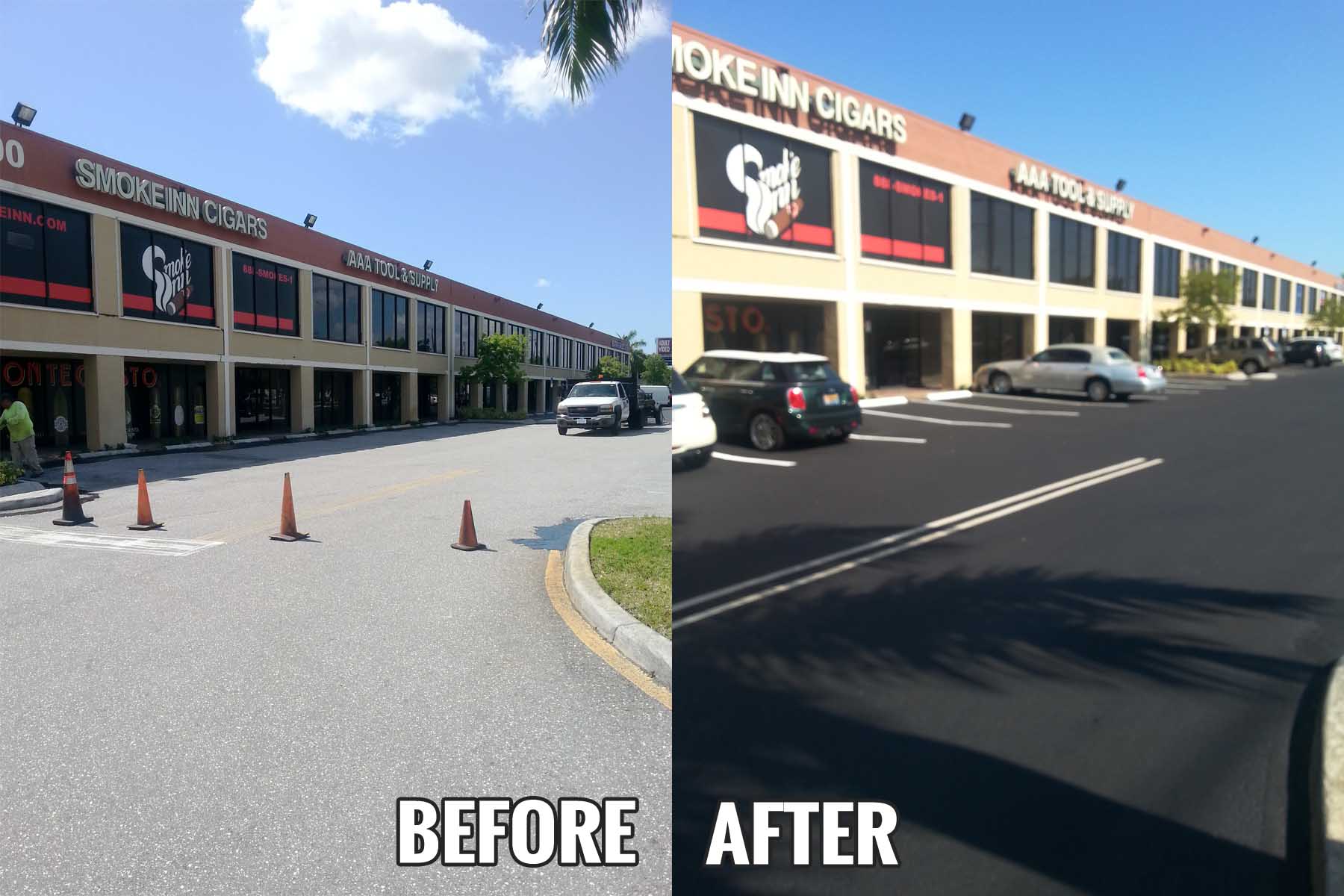
Owning or managing a commercial property comes with a long list of responsibilities, and one of the most overlooked is the condition of your parking lot. Cracks, potholes, fading striping, and uneven surfaces are not just eyesores; they create liability risks and drive customers away before they even walk through your door. Parking lot resurfacing is one of the smartest investments you can make in your commercial property, restoring both function and curb appeal without the full cost of a complete replacement.
Understanding the process from start to finish helps you make informed decisions, communicate with contractors, and set realistic expectations for the project timeline.
1. Initial Assessment and Site Inspection
Every successful parking lot rehab begins with a thorough inspection of the existing surface. Before any equipment arrives or materials are ordered, a qualified contractor will walk the entire lot to evaluate the extent of the damage. This inspection covers the depth and pattern of cracks, the presence of alligator cracking (which signals base failure), drainage issues, oil stains, and the overall structural integrity of the asphalt.
Not every lot is a good candidate for resurfacing alone. If the base layer has deteriorated significantly, resurfacing over a compromised foundation will only delay the inevitable. In those cases, a full-depth reclamation or complete replacement may be the better path. However, when the base is structurally sound and the damage is largely surface-level, commercial asphalt resurfacing offers an effective and cost-efficient solution that can extend the life of the pavement by ten to fifteen years.
During the assessment phase, the contractor will also take note of existing drainage patterns, ADA compliance requirements, and the location of utility access points. All of this information shapes the project plan and helps avoid costly surprises once work begins.
2. Surface Preparation and Repair
Preparation is where parking lot resurfacing is won or lost. Skipping or rushing this phase is the most common reason resurfacing projects fail prematurely. Proper preparation ensures the new overlay bonds firmly to the existing surface and performs as expected for years to come.
The first step in preparation is addressing existing damage. All cracks wider than a quarter inch must be cleaned out and filled with a hot rubberized crack filler or a similar commercial asphalt repair compound. Potholes and severely deteriorated areas are cut out in square or rectangular sections, the damaged material is removed, and fresh asphalt is compacted into the void. This process, known as infrared patching or saw-cut patching depending on the method used, creates a stable surface beneath the new overlay.
After structural repairs are complete, the entire surface is cleaned aggressively. Crews use industrial blowers, wire brooms, and sometimes pressure washers to remove dirt, debris, and loose material. Oil and chemical stains require special treatment with a degreaser, because petroleum-based contamination prevents proper adhesion. Any vegetation growing through cracks is removed completely, roots and all. A clean, dry, and structurally sound surface is the non-negotiable foundation of quality parking lot maintenance.
3. Application of Tack Coat
Once the surface is clean and repaired, a tack coat is applied across the entire area. This step is often underestimated, but it plays a critical role in the performance of the finished product. A tack coat is a thin layer of diluted asphalt emulsion sprayed evenly over the existing pavement. It acts as a bonding agent between the old surface and the new overlay, preventing the two layers from sliding or separating under traffic loads.
The tack coat must be applied at the correct rate, not too thick and not too thin. Over-application creates a slippery interface that weakens the bond, while under-application leaves sections where adhesion is insufficient. After spraying, the tack coat needs time to cure until it reaches the proper tackiness before paving begins. Experienced crews pay close attention to temperature and humidity conditions during this stage, as weather has a direct impact on curing time and bond quality.
Proper tack coat application is a hallmark of professional commercial asphalt work. It is one of the details that separates a resurfacing job that lasts from one that begins failing within a few years.
4. Asphalt Overlay Installation
With the tack coat cured and the surface ready, the paving crew moves in to install the new asphalt overlay. For most commercial parking lot resurfacing projects, the new layer is between 1.5 and 2 inches thick, though high-traffic areas or lots that accommodate heavy delivery vehicles may require a thicker lift.
Hot mix asphalt is delivered by truck and loaded into a paving machine, which spreads the material at a consistent thickness and grade across the surface. The paving machine moves in a deliberate pattern to minimize joints and ensure uniform coverage. Skilled operators adjust the machine settings continuously to maintain an even surface that follows the correct slope for drainage.
Immediately behind the paver, a steel drum roller and a rubber-tired roller compact the fresh asphalt to the specified density. Compaction is critical; insufficient compaction leaves the pavement soft and prone to rutting, while excessive compaction can damage the aggregate structure. Temperature is a key factor during this phase, as asphalt must be compacted within a specific temperature window before it cools and becomes too stiff to work properly. This is why commercial asphalt paving crews work quickly and in a coordinated sequence to finish each section before the material drops below the compaction threshold.
Joints where paving passes meet are carefully raked and compacted to prevent seams from becoming weak points. Edges along curbs, buildings, and drainage structures are hand-tamped to ensure a tight, finished appearance.
5. Line Striping, Sealing, and Final Inspection
After the new asphalt has cooled and achieved adequate strength, the finishing work begins. This stage transforms a smooth black surface into a fully functional commercial parking lot. Sealcoating is often applied at this point as a protective measure. A quality sealer fills minor surface voids, protects the asphalt binder from UV oxidation and chemical damage, and gives the lot a clean, uniform appearance. Most contractors recommend waiting at least 24 to 48 hours after paving before applying sealer to allow the asphalt to fully cool and off-gas.
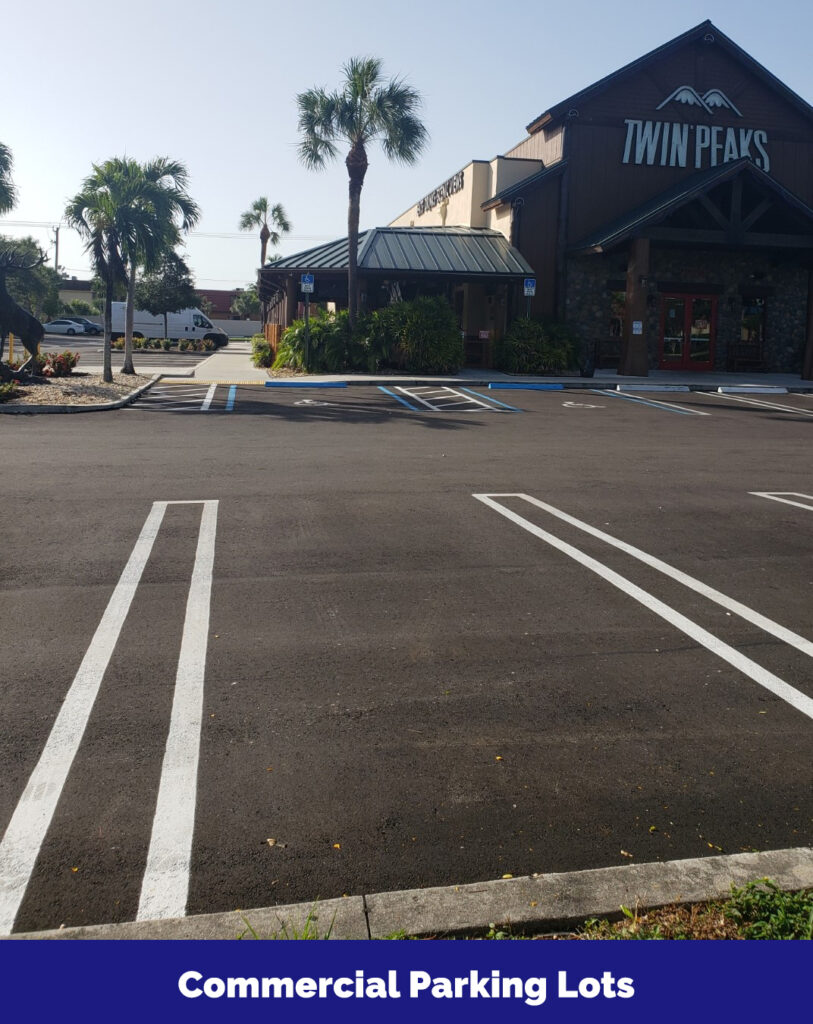
Line striping follows the sealing process. Using a striping machine loaded with traffic-grade paint, crews lay out parking stalls, fire lanes, directional arrows, loading zones, and ADA-compliant accessible spaces with handicap symbols. Proper layout and spacing during this phase is essential for maximizing the number of usable spaces and ensuring compliance with local codes.
The final inspection covers stripe alignment, curb painting if required, signage placement, and a walkthrough of the entire lot to identify any areas needing touch-up. Good parking lot maintenance practices also include a schedule for future sealcoating every two to three years and crack filling as needed to protect the investment.
A professional contractor will document the completed work and provide care instructions, including when the lot can be reopened to traffic, typically within 24 hours for passenger vehicles and 48 to 72 hours for heavy trucks.
Protect Your Investment for the Long Haul
A well-executed parking lot rehab does more than fix what is broken. It communicates professionalism to every customer and tenant who pulls in, reduces liability exposure, and defers the far greater expense of full replacement. Understanding each phase of the process puts you in a stronger position to evaluate bids, ask the right questions, and hold your contractor accountable to a high standard. Consistent parking lot maintenance, starting with quality resurfacing and continuing with regular sealing and repair, is the surest way to protect your paving investment for decades to come.
Need a Paving Contractor Near You?
At All American Asphalt LLC, we’ve been proudly serving Fort Lauderdale and the surrounding areas since 2005, providing top-quality asphalt paving and seal coating for both commercial and residential projects. We take pride in our dedication to excellence, ensuring every job is completed on time and with clear communication every step of the way. With our A+ BBB rating, you can trust that we’ll deliver the best service possible. Don’t hesitate to reach out to us today for a free estimate – we’re here to help bring your project to life!