

Hurricane season brings more than strong winds to Palm Beach County. Heavy rain, standing water, debris, and increased traffic from emergency vehicles can all take a toll on asphalt parking lots, private roads, and community streets. Preparing pavement before storm season helps reduce damage, improve safety, and avoid costly repairs after severe weather.
Quick Answer
Preparing asphalt before hurricane season means identifying cracks, drainage issues, failing pavement, and worn markings before heavy rain arrives. Routine inspections, crack sealing, pothole repairs, drainage maintenance, and sealcoating when appropriate help protect pavement from water intrusion and extend its service life. Planning asphalt maintenance before storms also helps HOAs and property managers avoid emergency repairs during peak demand.
What Palm Beach County Property Managers Should Know
- Small pavement cracks can quickly become major potholes after repeated tropical downpours.
- Communities near the Intracoastal Waterway and low-lying areas often experience drainage challenges that accelerate asphalt deterioration.
- Scheduling maintenance before hurricane season is typically easier than waiting until contractors are responding to widespread storm damage.
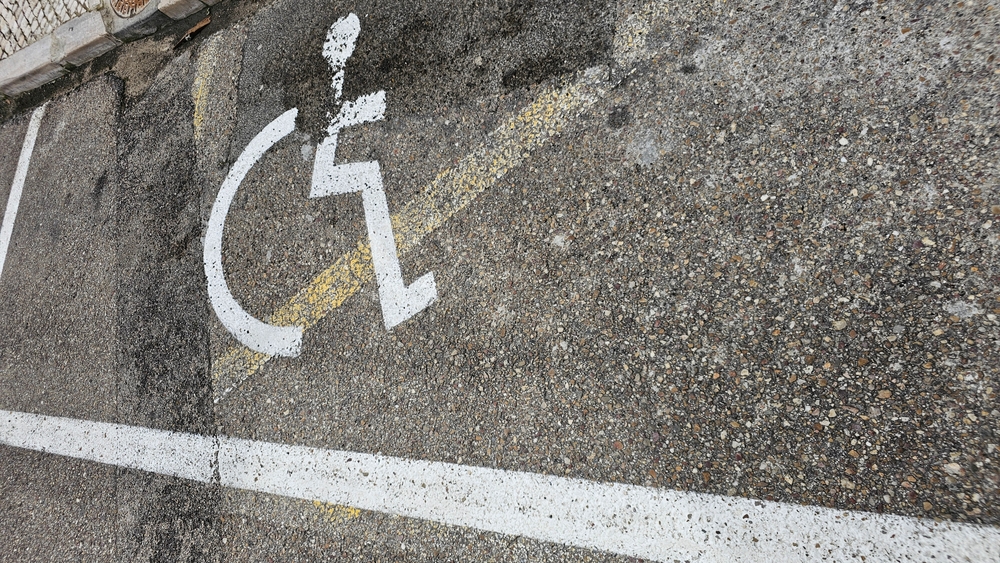
- Parking lot striping should remain highly visible during heavy rain to improve traffic flow and pedestrian safety.
- Regular inspections help identify trip hazards before residents, visitors, and contractors increase activity during storm preparation.
Why This Matters Locally
Preparing asphalt for hurricane season is especially important in Palm Beach County because intense rainfall, prolonged humidity, high temperatures, and frequent afternoon storms all contribute to pavement wear. Communities from Boca Raton and Delray Beach to Boynton Beach, Wellington, West Palm Beach, Jupiter, Palm Beach Gardens, and Lake Worth Beach experience conditions that can allow water to penetrate damaged asphalt quickly.
For HOAs, condominium associations, apartment communities, office parks, shopping centers, and commercial properties, pavement failures affect more than appearance. Damaged parking lots increase liability risks, create drainage problems, and make emergency access more difficult during severe weather.
All American Asphalt LLC helps property owners prepare pavement before hurricane season with proactive maintenance and repair solutions. After this first introduction, we focus on helping our clients understand how preventative maintenance protects their investment.
Local Data and Field Observations
According to the National Hurricane Center and the National Weather Service, South Florida experiences a hurricane season that runs from June through November, with periods of intense rainfall capable of overwhelming drainage systems in a short time.
From our field observations throughout Palm Beach County, we commonly see water infiltration become the primary cause of accelerated pavement deterioration. Even minor cracks often expand rapidly after repeated storm events because water weakens the underlying base beneath the asphalt surface.
How Hurricane Season Impacts Asphalt
Hurricane season affects asphalt by introducing large amounts of water into existing pavement defects. Once moisture reaches the pavement base, vehicle traffic can accelerate cracking, rutting, and pothole formation.
Additional local impacts include:
- Flooded parking lots caused by clogged drains.
- Surface erosion around catch basins.
- Loose debris damaging pavement edges.
- Reduced visibility from faded parking lot striping.
- Increased wear from cleanup vehicles and contractors after storms.
Warning Signs Your Pavement Needs Attention
Property managers should schedule an inspection if they notice:
- Growing cracks across parking lots or private roads.
- Standing water that remains after rainfall.
- Potholes beginning to develop.
- Areas where asphalt appears soft or depressed.
- Crumbling pavement edges.
- Faded parking lot striping.
- Drainage structures filled with debris.
- Uneven walking surfaces that create trip hazards.
When to Call a Professional
Professional asphalt evaluation is recommended before hurricane season whenever drainage problems, structural cracking, or recurring potholes appear.
Routine visual inspections by maintenance staff are helpful for identifying obvious concerns. However, determining whether damage is cosmetic or structural requires professional assessment. Early repairs are usually less disruptive and less expensive than emergency reconstruction after storm damage.
Common Local Causes of Asphalt Damage
1. Heavy Rainfall
Frequent tropical storms allow water to penetrate cracks and weaken the pavement base.
2. Poor Drainage
Blocked drains and improper grading leave standing water that accelerates pavement deterioration.
3. Florida Heat
High summer temperatures soften asphalt surfaces, making them more susceptible to deformation under heavy traffic.
4. Aging Pavement
Older parking lots often develop interconnected cracking that allows moisture to spread beneath the surface.
5. Tree Roots
Large landscaping trees common throughout Palm Beach County communities may lift pavement over time, contributing to uneven surfaces and cracking.
Prevention and Maintenance
Preventative maintenance before hurricane season provides the best opportunity to protect asphalt investments.
Recommended maintenance includes:
- Inspect pavement each spring before peak storm activity.
- Seal cracks before water enters the pavement base.
- Repair potholes promptly.
- Clean catch basins and drainage structures.
- Remove vegetation growing through pavement.
- Refresh parking lot striping when visibility declines.
- Schedule sealcoating only when pavement conditions and weather are appropriate.
Routine inspections throughout hurricane season also help identify developing issues before they become major repairs.
Expected Results
Preventative asphalt maintenance cannot eliminate every storm-related issue, but it can significantly reduce water intrusion and extend pavement life.
Property managers who maintain pavement regularly often experience:
- Fewer emergency repairs.
- Improved resident and visitor safety.
- Better drainage performance.
- Longer pavement service life.
- Lower long-term maintenance costs.
- Improved curb appeal.
Common Mistakes
Mistake: Waiting until after hurricane season to repair cracks.
Consequence: Water enters the pavement base and creates larger failures.
Better Approach: Seal cracks before heavy rains begin.
Mistake: Ignoring standing water.
Consequence: Moisture weakens the pavement foundation.
Better Approach: Correct drainage issues early.
Mistake: Delaying pothole repairs.
Consequence: Small defects grow rapidly during repeated storms.
Better Approach: Repair damaged areas before storm activity increases.
Common Local Scenario
A condominium community in Palm Beach County notices several cracks developing throughout its parking lot during late spring. Rather than postponing maintenance, the HOA schedules crack sealing, drainage cleaning, and minor asphalt repairs before hurricane season begins. When heavy summer storms arrive, the maintained pavement sheds water more effectively and experiences fewer emergency repairs than neglected surfaces often require.
Related Service Solutions
Several asphalt services help reduce storm-related pavement damage:
- Asphalt crack sealing
- Parking lot repairs
- Pothole repair
- Asphalt patching
- Parking lot striping
- Sealcoating where appropriate
- Drainage improvements
- HOA roadway maintenance
- Commercial parking lot maintenance
Comparing Your Options
| Option | Benefits | Considerations |
|---|---|---|
| DIY visual inspections | Helps identify obvious issues early | Does not diagnose structural problems |
| Preventative maintenance | Extends pavement life and reduces emergency repairs | Requires scheduling before peak season |
| Emergency repairs | Addresses immediate hazards | Often costs more and may involve longer response times after major storms |
| Full replacement | Appropriate for severely deteriorated pavement | Higher upfront investment than maintenance |
Service Areas
We proudly serve HOAs, commercial properties, municipalities, and property managers throughout Palm Beach County, including West Palm Beach, Boca Raton, Delray Beach, Boynton Beach, Wellington, Jupiter, Palm Beach Gardens, Lake Worth Beach, Greenacres, and surrounding communities.
Cost of Ignoring the Issue
Delaying asphalt maintenance before hurricane season often leads to more extensive repairs after storms pass. Water infiltration can expand existing damage, increase liability risks, and shorten pavement life. Planning maintenance before severe weather helps reduce unexpected expenses and minimizes disruptions for residents and tenants.
Frequently Asked Questions
How early should Palm Beach County HOAs prepare asphalt for hurricane season?
The best time is several weeks before peak storm activity. Early scheduling allows repairs and maintenance to be completed before contractors become busy responding to weather-related damage.
Does heavy rain damage asphalt immediately?
Heavy rain alone does not usually damage healthy asphalt. Water becomes a problem when cracks, poor drainage, or deteriorated pavement allow moisture to reach the base beneath the surface.
Should standing water always be investigated?
Yes. Standing water that remains after rainfall often indicates drainage problems or pavement settlement that should be professionally evaluated.
Can crack sealing help extend pavement life in Palm Beach County?
Yes. Crack sealing helps reduce water infiltration, which is one of the leading causes of asphalt deterioration during South Florida’s rainy season.
Is sealcoating recommended before hurricane season?
Sealcoating may be beneficial when pavement condition and weather allow proper application. A professional inspection can determine whether it is appropriate for your property.
Why should property managers inspect parking lot striping before storms?
Clear pavement markings improve traffic flow, pedestrian safety, and emergency access during periods of heavy rain and reduced visibility.
What types of properties benefit most from preventative asphalt maintenance?
HOAs, condominium communities, apartment complexes, office parks, retail centers, schools, healthcare facilities, and industrial properties all benefit from routine pavement maintenance before hurricane season.
How often should commercial asphalt be inspected?
Many commercial properties benefit from annual professional inspections, with additional evaluations before hurricane season and after significant storm events.
Protect Your Pavement Before Hurricane Season
Preparing asphalt before hurricane season helps protect your property, improve safety, and reduce unexpected repair costs. Regular inspections and timely maintenance allow small problems to be addressed before severe weather makes them much worse.
Protect Your Palm Beach County Property Before the Next Storm
We’re here to help your HOA or commercial property stay ahead of hurricane season with proactive asphalt maintenance and repair solutions.