

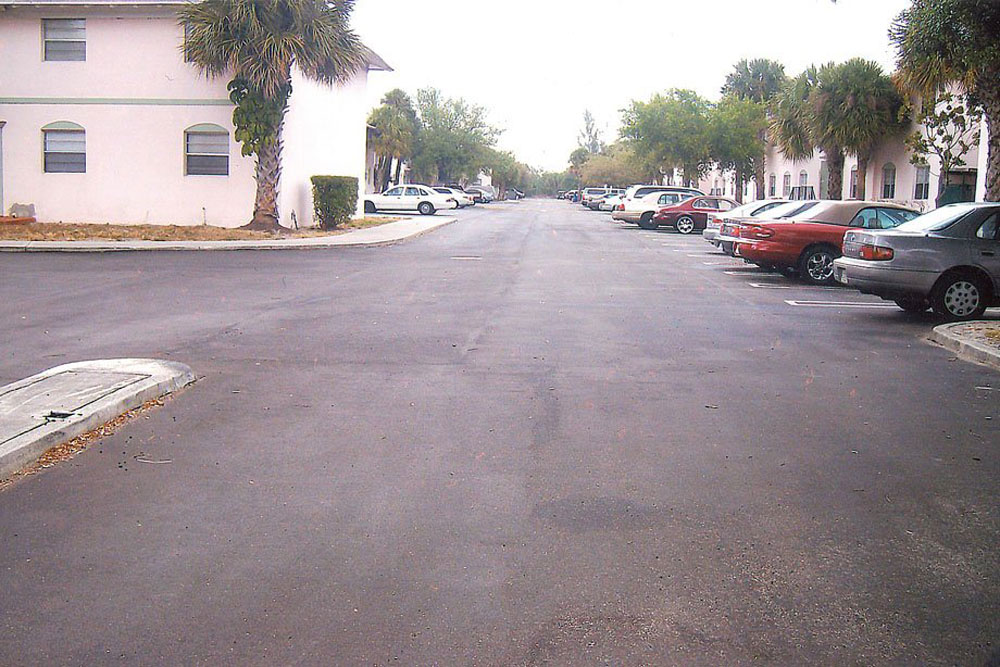
Asphalt paving projects in apartment complexes require more than just technical expertise and the right equipment. When working within occupied communities, especially in densely populated areas like Broward County, careful coordination and thoughtful communication are essential to avoid frustrating residents and property managers. Projects such as parking lot resurfacing, milling and paving, or sealcoating must be planned to reduce disruption, maintain access for tenants, and meet HOA requirements.
From phased asphalt paving strategies to proactive resident notifications, effective asphalt work planning in occupied communities is key to a successful outcome. This blog explores how to navigate the challenges of asphalt paving scheduling for apartment complexes in Florida while minimizing conflict and ensuring smooth execution.
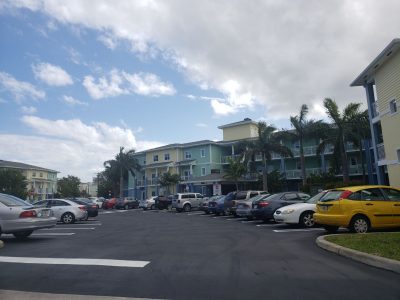
The Unique Challenges of Occupied Apartment Complexes
Unlike commercial or vacant properties, apartment communities are always in use. Every decision related to road work or paving directly affects dozens, sometimes hundreds, of people who rely on consistent access to their homes. This includes not only vehicle traffic but pedestrian safety and emergency access as well. Scheduling asphalt work in these environments involves balancing technical efficiency with a high degree of sensitivity to daily resident routines.
Many apartment communities in Broward County are governed by Homeowners Associations (HOAs) or property management companies with strict guidelines on construction work. These rules may dictate hours of operation, noise restrictions, dust control, and access protocols. To comply, contractors must create a comprehensive paving schedule that accommodates these limitations while keeping the project moving forward.
Another factor is climate. In Florida, weather plays a significant role in project timing. Afternoon thunderstorms and high humidity can delay curing times for asphalt and other materials. Planning for these conditions without impacting resident mobility becomes a logistical puzzle that experienced contractors must solve in advance.
Developing a Phased Asphalt Paving Strategy
Phased asphalt paving is a strategic approach that divides large-scale projects into manageable sections, allowing partial access to roads and parking areas throughout the project duration. This method is crucial when performing parking lot paving in active apartment communities, especially when every parking space is vital to residents.
Each phase of the project should be clearly marked and carefully timed. For instance, if a complex has four main parking zones, the schedule might allow for work in one zone per day, with temporary parking assigned elsewhere. Contractors should work closely with property management to identify peak traffic times and avoid those windows. Evening or early morning work might be appropriate in some communities, provided it aligns with noise ordinances.
Phased paving also helps minimize the risk of miscommunication and allows for better supervision of each stage. Problems can be identified and addressed in real-time before moving to the next section. For example, if a drainage issue is discovered during the first phase, adjustments can be made before the subsequent zones are paved.
This staged approach is also useful in minimizing disruption of HOA road work. When residents see that there is a methodical and well-organized process in place, they are more likely to cooperate and less likely to raise complaints. The smoother the process appears to tenants, the less resistance there will be.
Importance of Resident Communication for Pavement Projects
Clear and consistent communication is one of the most important aspects of asphalt work planning in occupied communities. Without it, even the best scheduling strategies can backfire. Miscommunication about closures, towing, or parking relocations can quickly lead to frustration and conflict between residents, management, and the paving team.
Contractors and property managers must develop a communication plan well in advance. This includes providing written notices to each resident at least a week before the work begins, followed by reminder notices 24 to 48 hours prior. These notices should include the exact dates and times of work, which areas will be affected, alternative parking arrangements, towing policies, and contact information for questions or emergencies.
Visual aids such as color-coded maps and signage throughout the property help reinforce these messages. In communities where multiple languages are spoken, multilingual notices are essential. Regular updates via email, text message, or resident portals can also reduce confusion and ensure that residents stay informed about any changes in the paving schedule.
In Palm Beach and other nearby areas, where many communities have elderly residents or people with mobility concerns, special care must be taken to maintain accessibility during paving work. Communication around sidewalk access, walking paths, and emergency service routes is just as important as parking and driving access.
Timing Considerations and Project Duration
One of the biggest concerns for both residents and property managers is the parking lot paving timeline for apartments. The longer the work takes, the more it impacts daily life. Therefore, careful timing is essential to reduce disruptions while maintaining quality.
The ideal timeline should be short enough to avoid prolonged inconvenience but long enough to ensure proper execution. For example, milling and paving a mid-sized apartment complex parking lot typically takes 2 to 4 days, depending on weather, phasing, and site conditions. Sealcoating might be faster but requires additional drying time, during which vehicles must remain off the pavement.
To speed up the process, contractors often bring in larger crews and equipment during the initial stages, completing demolition and grading quickly before transitioning to paving. However, they must ensure that quality isn’t sacrificed for speed. Scheduling also needs to consider weekends and holidays, as these are sensitive times in residential communities.
In Broward County, many apartment communities are occupied year-round, with no seasonal vacancy window to exploit. As a result, flexible but precise scheduling is critical. Contractors must remain in constant communication with property managers, adjusting timelines when necessary while keeping disruptions to a minimum.
Navigating Regulations and HOA Requirements in Florida
Florida’s apartment complexes, especially in counties like Broward and Palm Beach, often fall under multiple layers of regulation. HOA guidelines, county ordinances, and municipal codes can all affect how and when asphalt work can take place. Failing to adhere to these regulations can lead to fines, work stoppages, or even legal action.
The permitting process may vary depending on the city or county. Some municipalities require permits for resurfacing, striping, or ADA upgrades, especially if changes to drainage or grading are involved. Contractors must familiarize themselves with local requirements and factor in the time it takes to secure approvals before mobilizing.
In addition, HOA approval processes often include meetings, votes, and design review submissions. This adds time to the project lifecycle, so early engagement with the HOA board is essential. Contractors who understand how to navigate these processes can become valuable partners to property managers, providing guidance and helping prepare the necessary documentation.
Documentation is also important for transparency. A detailed project proposal outlining the asphalt paving scheduling for apartment complexes in Florida, including maps, cost estimates, warranties, and safety plans, can help build trust and demonstrate professionalism. This level of preparation also supports smoother execution during the actual project.
Conclusion
Successfully scheduling asphalt paving in active apartment communities throughout Broward County requires a well-rounded approach that balances technical efficiency with resident awareness and regulatory compliance. Phased asphalt paving strategies, clear timelines, and comprehensive communication plans are vital for minimizing disruption of HOA road work and ensuring that both residents and property managers remain satisfied throughout the process.
When planning asphalt work in occupied communities, contractors must consider not only the physical layout of the property but also the habits and needs of the people who live there. With careful coordination, adaptive planning, and clear lines of communication, paving contractors can execute high-quality projects with minimal inconvenience.
From the initial planning stages to final striping and cleanup, every decision should reflect a deep understanding of how asphalt work impacts daily life in apartment settings. In a region like Broward County, where community standards are high and resident expectations are even higher, professionalism and precision are the cornerstones of successful asphalt work planning.
Need a Paving Contractor Near You?
At All American Asphalt LLC, we’ve been proudly serving Fort Lauderdale and the surrounding areas since 2005, providing top-quality asphalt paving and seal coating for both commercial and residential projects. We take pride in our dedication to excellence, ensuring every job is completed on time and with clear communication every step of the way. With our A+ BBB rating, you can trust that we’ll deliver the best service possible. Don’t hesitate to reach out to us today for a free estimate – we’re here to help bring your project to life!